
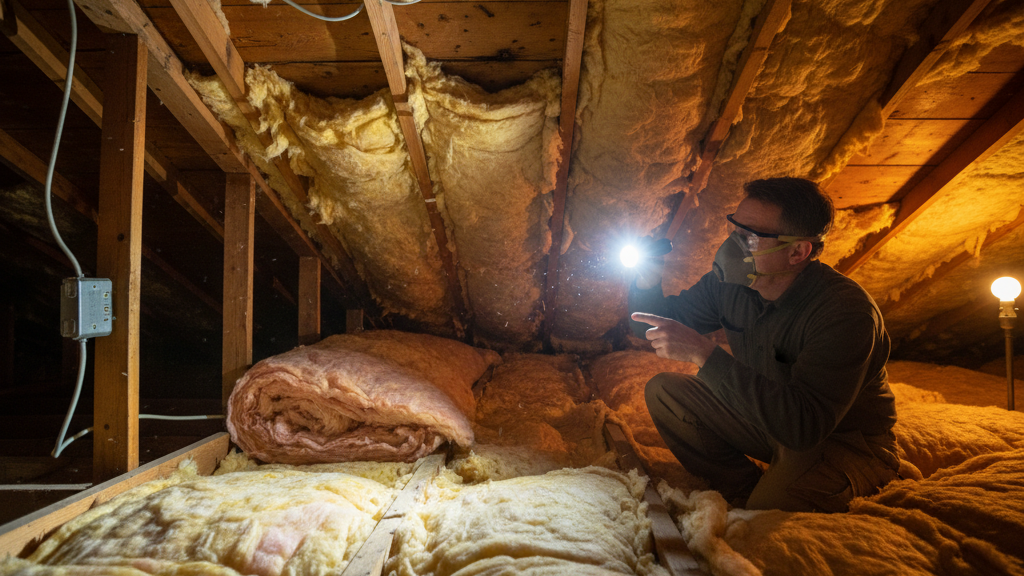
Identify Insulation Issues | How to Identify Common Insulation Issues and Defects in Your Home

Key Takeaways
- Comprehending thermal barriers and their significance
- Methods for detecting thermal barrier problems
- Effects of thermal barrier quality
- Assessing Anderson thermal barriers
- Tackling pest-related thermal barrier challenges
Understanding Insulation and Its Importance
Proper insulation plays a crucial role in energy efficiency and overall home comfort. Different insulation materials, such as fiberglass insulation, batt insulation, foam insulation, spray foam insulation, and cellulose insulation, each provide unique benefits that contribute to effective thermal barriers. Home insulation is essential for maintaining consistent indoor temperatures and minimizing energy costs. It is important to identify insulation issues, especially in areas like the attic and around electrical outlets, where gaps can significantly impact performance. Keeping an eye on these elements can help homeowners ensure their insulation is functioning optimally, providing both comfort and savings.
The Role of Proper Insulation in Energy Efficiency
Proper insulation plays a vital role in maintaining energy efficiency within a building. A well-insulated property minimizes heat loss or gain, ensuring that HVAC equipment operates under optimal conditions. During inspections, a thermal analysis can help identify insulation issues by detecting temperature variations across the thermal envelope. Using tools like a voltage tester and flashlight can assist in locating leaks or areas where insulation may be lacking. It is essential to inspect building materials for signs of degradation that can compromise energy efficiency.
Insulation directly impacts a building’s overall energy performance. An effective insulation strategy prevents leakage that can lead to significant energy loss, resulting in higher bills. By conducting regular inspections, homeowners can identify insulation issues that may not be immediately visible. Armed with safety glasses and the right tools, individuals can thoroughly assess insulation integrity, ensuring that every nook and cranny is adequately insulated. Employing these practices leads to improved comfort levels while enhancing energy savings throughout the year.
Common Indicators of Insulation Needs
Homeowners should know how to identify insulation issues by observing specific signs throughout the property. Unusually high energy bills can indicate poor insulation performance, impacting heating and cooling efficiency. Areas around plumbing and water heaters often show excessive heat loss if insulation is compromised. Insufficient insulation in the roof space may create drafts, making it necessary to inspect and assess the air barrier and vapor barrier for effectiveness.
Ventilation plays a vital role in maintaining a comfortable indoor climate; thus, any noticeable draft near windows or doors might suggest inadequate insulation coverage. Inspecting the plywood in attics or crawl spaces can reveal gaps where heating and air conditioning systems are losing efficiency. A simple visual check can help identify insulation issues early on, potentially saving homeowners from costly repairs and ensuring optimal HVAC performance. Wearing a dust mask during inspections can also protect against allergens stirred up while checking these areas.
- Examine your walls for cold spots that could indicate insufficient insulation.
- Check for condensation or mold growth in corners and on windows, which can signify poor insulation.
- Listen for unusual noises from outside, as increased sound transmission may suggest ineffective insulation.
- Measure indoor temperatures; significant fluctuations compared to outside temperatures may indicate insulation issues.
- Monitor moisture levels in your home; excessive moisture can be a sign of inadequate insulation.
- Look for pest invasions; insects and rodents often take advantage of poorly insulated areas.
- Schedule regular inspections by a professional to ensure insulation is in good condition and up to current standards.
How to Identify Insulation Issues
Identifying insulation issues is crucial for maintaining energy efficiency in a home. Homeowners should look for signs of missing or damaged insulation, particularly in attics and ceilings where fiberglass batts are commonly installed. Leaks around windows and doors can also indicate where heat escapes, making it essential to inspect these areas closely. Moisture accumulation can lead to mold growth, which may be a sign that the insulation, whether foam or fiberglass, is compromised. Evaluating the overall performance of the HVAC system can also help identify insulation issues, as an inefficient system may struggle to maintain desired temperatures, signaling poor insulation levels that warrant further inspection.
- Inspect attics for visible signs of missing or compressed insulation.
- Check for drafts around windows and doors using a candle or smoke test.
- Look for ice dams on roofs during winter, which may indicate insufficient insulation.
- Monitor energy bills for unexpected increases, which may signal insulation problems.
- Assess for moisture stains on walls or ceilings that can indicate insulation failure.
- Use a thermal imaging camera to detect cold spots in walls and ceilings.
- Consider hiring a professional energy auditor for a comprehensive evaluation.
Signs of Missing Insulation
Detecting missing insulation can significantly enhance your home’s energy efficiency. Homeowners should be vigilant for signs that indicate insulation failure, such as fluctuating indoor temperatures and increased energy bills. These issues can reveal serious insulation problems and help to identify insulation issues early. A free insulation evaluation can pinpoint insulation defects and assess your insulation needs, guiding you toward necessary insulation improvements or insulation replacement.
Certain visual cues can also signal common insulation defects. Areas with drafts, cold spots, or condensation may suggest missing insulation in key locations. Observing these signs can lead to a comprehensive insulation assessment, determining if you have insulation problems that require immediate attention. Addressing missing insulation promptly is vital to avoid further complications and ensure optimal home comfort.
Measuring Insulation Levels for Optimal Performance
To effectively identify insulation issues, homeowners can perform a thorough assessment of their insulation system. Using tools like thermal imaging cameras helps easily detect areas of missing insulation, revealing spots where heat loss occurs. Following insulation levels that meet or exceed industry insulation standards ensures that homes maintain their energy efficiency. Without proper insulation, installed insulation can fail to perform, leading to increased energy bills and discomfort.
Investing in new insulation or replacement insulation barriers is crucial for maintaining an efficient home environment. Measuring existing insulation levels provides insights into whether adequate insulation is in place. Poor insulation can lead to significant energy waste, prompting the need for timely insulation installation or upgrades. Effective identification and rectification of insulation issues not only enhance energy performance but also contribute to the overall comfort of the living space.
Visual Inspection Techniques
Carefully assessing your home can help identify insulation issues before they affect energy efficiency. Look for signs of inadequate insulation in areas like attics, basements, and crawlspaces. Insulation settling may create gaps or thin spots that compromise performance. Homeowners should consider consulting insulation specialists for a thorough evaluation of current insulation levels. These professionals can provide insulation estimates and suggest necessary insulation upgrades based on the findings.
Pay attention to certain visual cues that may indicate insulation problems. For example, spotting mold or moisture around floor insulation can suggest insulation removal is needed. Cracks and air leaks near windows and doors also point to inadequate insulation. Rely on the expertise of insulation installers to diagnose and rectify these issues effectively. Utilizing specialized insulation services ensures that your home maintains optimal insulation efficiency throughout the seasons.
The Impact of Insulation Levels
Proper insulation levels are crucial for maintaining energy efficiency and comfort in a home. Homeowners must identify insulation issues to ensure their space is adequately protected. Insulation companies often recommend blown-in insulation for versatile application, especially in hard-to-reach areas, while traditional insulation methods can provide significant benefits in the foundational layout. Evaluating floor insulation integrity can reveal potential gaps in home insulation. Maintaining the current insulation depth is essential to ensure there is enough insulation to meet energy demands. For those considering DIY insulation projects, using high-quality insulation materials can significantly enhance effectiveness. Hiring an insulation contractor or certified insulation specialists can help guarantee a quality insulation job, providing peace of mind that the home is well insulated for optimal performance.
How Insulation Levels Affect Energy Bills
Proper insulation plays a pivotal role in controlling energy expenses. Households often experience increased energy bills due to insufficient insulation, which can signal insulation gaps in areas like attics. An insulation estimator helps homeowners identify insulation issues and determine the best solutions, such as blown-in insulation fills for efficient thermal performance. Investing in high-performance insulation can lead to significant savings over time, as it reduces heating and cooling demands.
Attic insulation problems often contribute to disrupted insulation, leading to energy loss and discomfort. A thorough evaluation of insulation levels enables homeowners to pinpoint those inefficiencies. Proper insulation upgrades can transform an average home into an energy-efficient haven. Prioritizing insulation investment not only enhances comfort but also ensures that energy bills remain manageable throughout the year.
Relationship Between Insulation Levels and Home Comfort
High levels of insulation directly contribute to enhanced home comfort. Insufficient wall insulation can lead to uncomfortable drafts and fluctuating indoor temperatures. Homeowners often seek to identify insulation issues before they become major problems. Rigid insulation boards and foam-based insulations provide effective solutions, especially in areas like attics. An attic insulation estimate can help gauge the need for an upgrade, ensuring that attic insulation prevents heat loss and enhances thermal efficiency.
Comfort is not just about temperature control; it also involves maintaining a consistent indoor environment. Poor insulation levels can undermine insulation performance, leading to increased energy bills and discomfort. An insulation installer remembers the importance of high-performance insulation services tailored to specific home needs. An insulation dam can further improve the effectiveness of your setup, ensuring that rigid insulation and other materials work optimally together. By addressing these factors, homeowners can create a more enjoyable living space while reducing energy costs.
| Insulation Type | R-Value (Thermal Resistance) | Typical Uses | Benefits |
|---|---|---|---|
| Fiberglass Batts | 11-38 | Walls, ceilings, floors | Cost-effective, fire resistant, and soundproofing |
| Foam Board | 5-15 | Basements, exterior walls | High insulating value for thick materials, moisture resistant |
| Spray Foam | 6-8 (closed-cell), 3.6-4.2 (open-cell) | Attics, crawl spaces | Seals gaps effectively, reduces air leaks |
| Cellulose | 3.2-3.8 | Walls, attics | Made from recycled materials, good for soundproofing |
Evaluating Anderson Insulation
Assessing insulation options like Anderson Insulation provides homeowners with various benefits. The choice includes installed fiberglass insulation and batt insulation installation, which effectively reduce energy costs. With quality retrofit insulation techniques, homeowners can enhance energy efficiency and address potential safety issues linked to older materials. For those considering crawl space insulation, options like pest-resistant insulation materials and rigid foam insulation are noteworthy for their durability and effectiveness against pests. Products such as koala insulation and injection foam insulation serve to improve overall insulation performance. By taking advantage of no-obligation home insulation consultations, homeowners can easily identify insulation issues and select the best solutions for their needs.
Benefits of Using Anderson Insulation
Anderson Insulation offers several advantages that contribute to improved energy efficiency and comfort in your home. By using high-quality materials, it helps to address moisture issues effectively. Moisture barriers provided in Anderson Insulation products work to prevent condensation buildup, which can lead to thermal defects. Conducting a thermal analysis reveals potential problem areas, allowing homeowners to identify insulation issues quickly, especially around common thermal defects that may occur near electrical outlets and eave vents.
Proper installation of Anderson Insulation also plays a crucial role in preventing home maintenance issues. Ensuring that insulation around wiring and electrical penetrations is appropriately fitted can minimize thermal defect results and enhance overall safety. By adhering to proper safety precautions during installation, homeowners can ensure that their living spaces maintain optimal temperatures year-round, leading to a more comfortable environment and reduced energy costs.
| Benefit | Description | Impact on Home |
|---|---|---|
| Moisture Control | Prevents condensation buildup through effective moisture barriers. | Reduces the risk of mold and structural damage. |
| Thermal Analysis | Identifies thermal defects quickly around common problem areas. | Enhances energy efficiency and comfort levels. |
| Proper Installation | Ensures insulation is fitted around wiring and penetrations appropriately. | Minimizes maintenance issues and enhances safety. |
| Energy Cost Reduction | Improved insulation leads to lower energy expenses. | Provides long-term savings on utility bills. |
Installation and Maintenance of Anderson Insulation
Proper installation of Anderson Insulation requires careful attention to detail. Homeowners should identify insulation issues by checking common areas such as the un-insulated garage and behind outlet covers. A sealed barrier can minimize air leakage, enhancing the insulating properties of the material. Inspecting areas like ceiling drywall is crucial to detect any visible damage or moisture concerns that could compromise the thermal qualities of the insulation. Taking these precautions ensures that the insulation performs effectively and contributes to overall energy efficiency.
Maintenance of Anderson Insulation involves regular inspections and prompt repairs to mitigate any identified issues. Homeowners should routinely check for signs of air leakage or leakage that could indicate a breakdown in the insulating integrity. Addressing visible damage and moisture problems promptly helps preserve the insulation’s thermal qualities. A proactive approach not only enhances comfort levels but also prolongs the lifespan of the insulation system in the home.
Addressing Pest-Related Insulation Issues
Pest-related insulation issues can significantly compromise the energy efficiency of a home, making it essential to identify insulation issues promptly. Inspecting common inspection points, such as wire penetrations and attic floor penetrations, can help uncover potential leak sites where pests may have caused damage. Areas around tile roof vents and vents themselves are critical for thermal bypass, as they can harbor moisture damage if not properly maintained. It is crucial to fix air leaks to prevent further infiltration and ensure that insulation maintains its effectiveness. Understanding installation guidelines, including proper fiberglass batt installation, is vital for making necessary repairs and avoiding future pest problems.
Identifying Damage Caused by Pests
Pests can significantly compromise insulation effectiveness, leading to various issues in a home. Homeowners should inspect areas like attics and basements for signs of infestations that may have led to damage. During the inspection process, it’s crucial to examine any thermal barriers that pests might have breached. Cold walls and roof cold spots often indicate inadequate ventilation or compromised insulation. Identifying insulation issues promptly can help avoid further damage and preserve energy efficiency.
Repairing damage caused by pests requires attention to detail and the use of suitable materials. After an infestation has been addressed, a thorough inspection should be conducted to showcase repairs and ensure insulation integrity. Uninsulated basements may be particularly vulnerable, allowing unwanted heat or cold to infiltrate the home. Properly functioning soffit vents also play an essential role in maintaining airflow and preventing future pest issues, which can help enhance the overall insulation performance.
Conclusion
Identifying insulation issues is crucial for maintaining an energy-efficient and comfortable home. Homeowners should be vigilant for signs of hidden air leaks, particularly in areas like uninsulated attics and around windows or doors. These leaks not only compromise energy savings but can also lead to structural damage over time. To effectively identify insulation issues, a thorough inspection is necessary, focusing on visual air leakage and potential moisture sources that could exacerbate any existing problems. Addressing these concerns promptly can significantly enhance both energy efficiency and overall home integrity.
FAQS
How does the insulation lifespan affect the identification of insulation issues in homes?
Understanding the insulation lifespan is crucial because it helps homeowners recognize common insulation problems that can arise as the material ages. A free insulation assessment can highlight if insulation fails due to inefficiencies, such as insufficient walls insulation or blown insulation. In today’s insulation industry, awareness of how materials like fiberglass insulation impact thermal performance is vital. Attic insulation work, particularly with products available at the USA insulation show, can often fix leak points that lead to energy loss and damage, ensuring that insulation equals comfort and efficiency for homeowners.
What are some common signs of inefficient insulation today that homeowners should look for?
Homeowners can identify insulation issues by checking for common signs of inefficient insulation. These signs include noticeable temperature fluctuations in the home, higher energy bills, or drafts. Specifically, inspecting attic insulation thermal performance can reveal inefficiencies, especially if vermiculite insulation is present, as it may harbor asbestos. Taking action to fix inefficient insulation, which could include seeking USA insulation fixes, helps avoid damage to the property and improves energy efficiency.
What are the most effective methods to identify insulation issues in your home today?
Identifying insulation issues in your home today requires checking for common signs such as temperature fluctuations, drafts, and high energy bills. Additionally, using thermal imaging technology, conducting a blower door test, or seeking professional inspections can help pinpoint insulation deficiencies effectively.
How can homeowners effectively assess the condition of their insulation today?
Homeowners can effectively assess the condition of their insulation today by looking for signs such as draftiness, fluctuating energy bills, and uneven temperatures in different areas of the home. Additionally, a visual inspection of attic and basement insulation, along with checking for moisture or mold, can help in identifying insulation problems. It’s important to stay proactive about insulation today to ensure energy efficiency and comfort.
What steps can homeowners take today to identify insulation issues in their homes?
Homeowners can take several steps today to identify insulation issues in their homes. First, they should look for signs of drafts, which may indicate inadequate insulation. Additionally, checking for temperature discrepancies between rooms can help identify areas where insulation might be lacking. Using a thermal imaging camera can also be an effective method to pinpoint areas of heat loss or gain. Furthermore, inspecting the attic and basement for signs of moisture or mold can signal insulation problems. Regular maintenance and professional assessments can ensure optimal insulation performance in the home.
Comments are closed.