

Key Takeaways
- Comprehending water safeguarding for home bases
- Methods for waterproofing foundations
- Outside solutions for foundation waterproofing
- Upkeeping your property’s water safeguarding system
- Financial factors for foundation water safeguarding
Understanding Home Foundation Water Protection
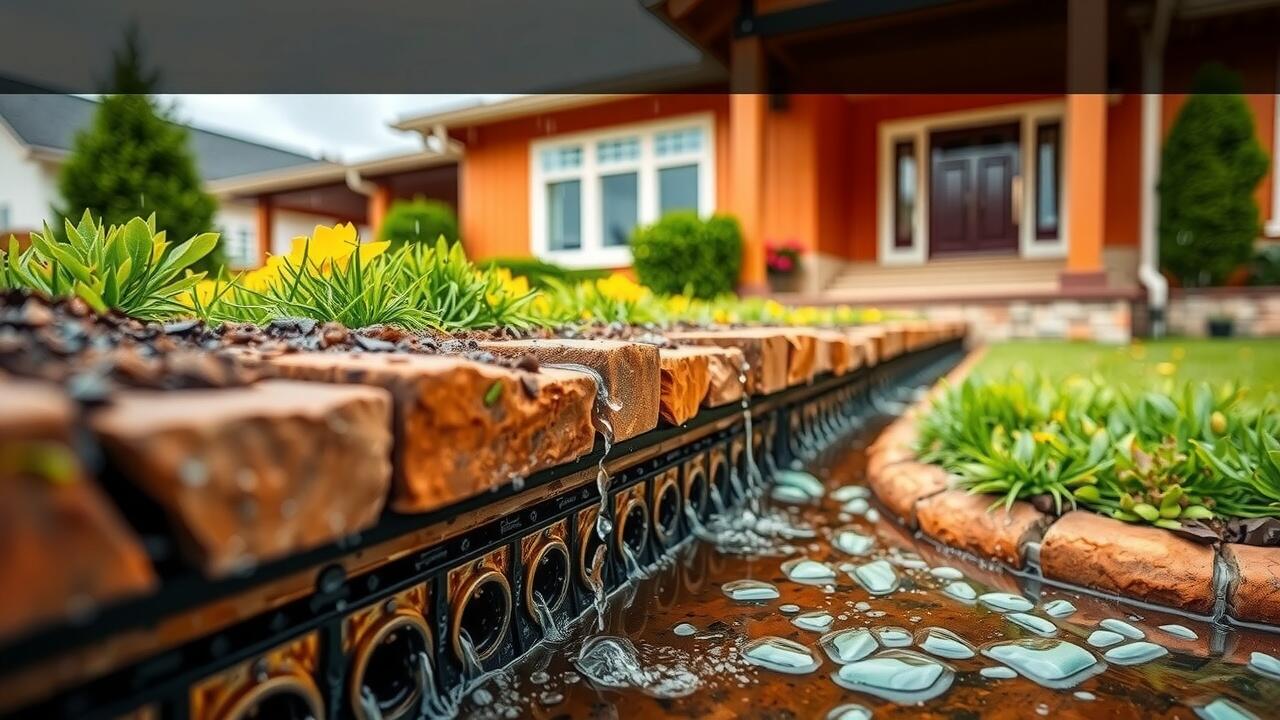
Home foundation water protection plays a critical role in maintaining the integrity of a structure. Water damage can compromise foundation walls, leading to costly repairs and safety hazards. Effective basement waterproofing prevents surface water from seeping into the foundation, protecting your home from structural issues. Home inspectors often emphasize the importance of a quality waterproofing system, including waterproofing membranes that create a barrier against moisture. A well-waterproofed foundation not only safeguards the foundation but also helps create a safe house for you and your family. Regular maintenance and awareness of potential issues are essential for ensuring lasting home foundation water protection.
| Protection Method | Description | Cost Range | Effectiveness |
|---|---|---|---|
| Drainage Systems | Install exterior and interior drainage to channel water away from the foundation. | $1,500 – $5,000 | High |
| Waterproofing Membranes | Apply a barrier that prevents moisture penetration into the foundation walls. | $1,000 – $3,000 | Very High |
| Sump Pumps | Use pumps to remove water that collects in basements or crawl spaces. | $800 – $2,500 | High |
| Sealants | Apply sealants to cracks in walls to prevent moisture ingress. | $300 – $1,500 | Moderate |
Importance of Water Protection for Home Foundations
Effective home foundation water protection is essential for preserving the integrity of your property. Water infiltration can lead to serious issues if not addressed properly. A waterproof membrane can act as a barrier against moisture, preventing damage from groundwater and soil moisture. Without this protection, foundations may weaken under the pressure of water, resulting in costly home repairs. A well-designed drainage system directs excess water away from the foundation, reducing water pressure and mitigating potential damage.
Maintaining a clear drainage area around your home helps to fend off issues related to water vapor and moisture accumulation. Insulation also plays a role in keeping the foundation dry and secure. For existing foundations, regular cleaning with a power washer can help remove debris that may obstruct drainage and contribute to dampness. Regular inspections can ensure that the waterproof membrane remains intact, safeguarding the foundation against the detrimental effects of water exposure.
Common Causes of Water Damage to Foundations
Water damage to foundations can stem from various sources, leading to significant issues for homeowners. High water tables can cause moisture in the soil to saturate the ground surrounding a house, which may eventually compromise the structural integrity of the home foundation. Improper drainage systems can exacerbate the problem by directing water towards the foundation instead of away from it. This situation is particularly concerning for homes using masonry or concrete materials such as concrete block and cinder block, as these substances can absorb water and deteriorate over time.
Another significant factor contributing to foundation damage is the use of subpar materials in residential construction, like insufficient protective coating or inadequate insulation placement around insulated concrete forms. Even household appliances like a malfunctioning washer can contribute to moisture buildup. Regular inspections and preventive measures from your local Home Depot or other retailers can help mitigate these risks, ensuring effective home foundation water protection for years to come.
Foundation Waterproofing Techniques
Effective foundation waterproofing techniques are essential for ensuring home foundation water protection. Various methods can be employed to create a barrier against moisture intrusion, especially in vulnerable areas like basements. The choice of a waterproofing system often depends on the soil type and the level of hydrostatic pressure exerted by the surrounding earth. Proper drainage systems can direct water away from foundation walls, minimizing the risk of foundation water problems. Techniques such as applying sealants to concrete or installing waterproofing membranes help create waterproof foundation walls. Maintaining a waterproofed foundation not only preserves the structural integrity of the home but also enhances its overall value.
Types of Foundation Waterproofing Systems
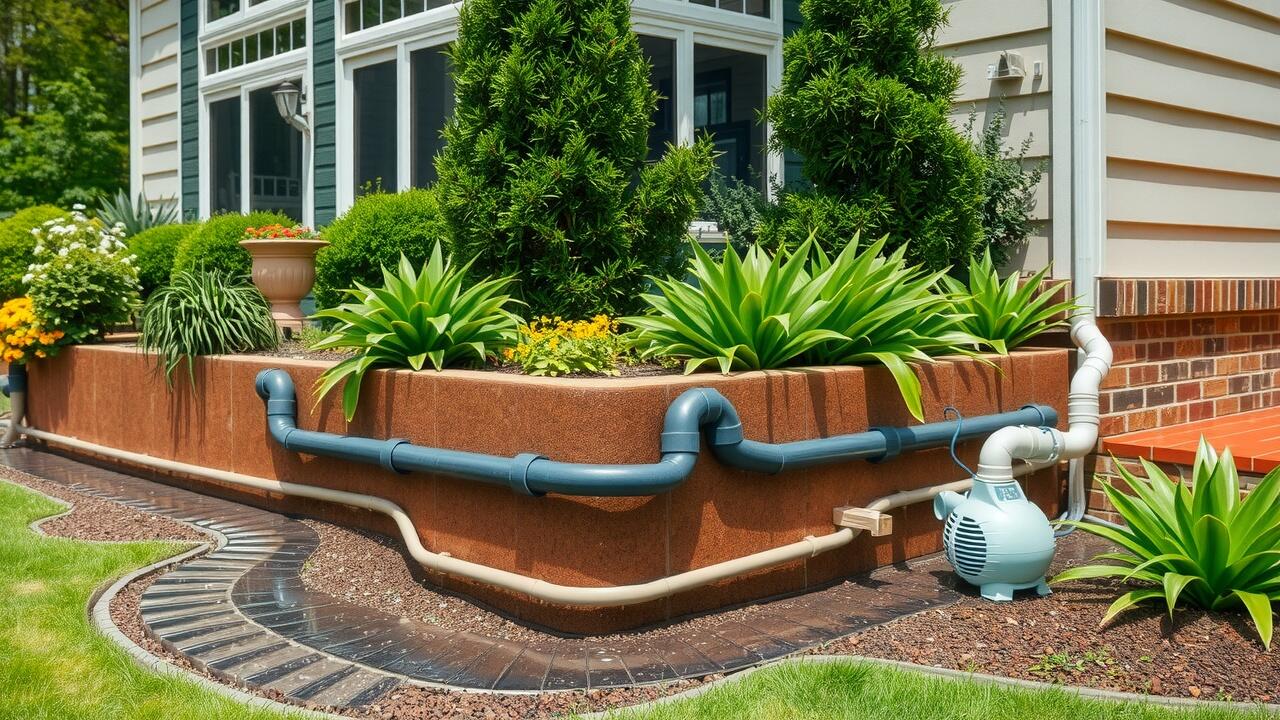
Various systems exist for effective home foundation water protection. Exterior foundation waterproofing is a popular choice that involves applying a waterproof barrier on the foundation walls. This method is particularly effective in preventing foundation water intrusion from surface water. High-quality foundation products, such as masonry waterproofer, are essential for ensuring that the exterior waterproofing works efficiently. These solutions help to maintain the integrity of concrete foundation walls, providing a robust defense against moisture.
Interior waterproofing systems are another option for homeowners seeking to protect their foundations. These systems involve the installation of drainage systems and sump pumps to manage water that penetrates the foundation surface. An effective interior system complements exterior waterproofing techniques, especially in areas where new foundation walls have been constructed. A well-planned waterproof foundation resists water damage and minimizes maintenance issues over time, ensuring long-term protection for the home.
Choosing the Right Waterproofing Method for Your Home
Selecting the appropriate waterproofing method is crucial for effective home foundation water protection. A well-built foundation requires adequate waterproofing to prevent moisture penetration. Homeowners often opt for wall waterproofing techniques that incorporate waterproof materials tailored to their specific needs. For those with poured foundations, utilizing a masonry waterproofer today can enhance the overall protection of the foundation wall. It is essential to consider the type of exterior waterproofing system that will best suit your home’s unique landscape and drainage conditions to ensure a moisture-free home.
Understanding the different waterproofing materials available is vital for making an informed decision. Each option provides varying levels of protection, so evaluating the effectiveness of the chosen waterproofing system is important. Whether you decide on a liquid membrane, a barrier system, or a combination of techniques, ensure that the solution offers sufficient waterproofing to safeguard your home foundation. Investing in the right components now can prevent costly repairs in the future, ultimately preserving the integrity of your home’s structure.
Exterior Foundation Waterproofing Solutions
Effective waterproofing is crucial for maintaining the integrity of your home foundation water protection. Water intrusion can lead to significant damage, especially in homes with concrete foundations. A comprehensive exterior waterproofing process involves applying waterproofing products to the complete foundation wall, ensuring that exterior foundation walls are shielded against moisture. Choosing the right waterproofing method considers the specific foundation materials and local climate conditions, which are essential for proper waterproofing. This added protection not only prevents water damage but also contributes to effective water management strategies, extending the life of the foundation and enhancing overall home durability. Implementing a thorough waterproofing treatment is vital for safeguarding your investment and maintaining a dry living environment.
- Regularly inspect your foundation for cracks and signs of moisture.
- Choose high-quality waterproofing products designed for your specific foundation type.
- Ensure proper grading around your home to divert water away from the foundation.
- Install gutters and downspouts to manage rainwater efficiently.
- Consider adding a sump pump for areas prone to flooding.
- Apply a protective layer of sealant for additional moisture resistance.
- Consult with a waterproofing professional for tailored solutions based on your needs.
Benefits of Exterior Waterproofing
Exterior waterproofing offers significant advantages for home foundation water protection. This method effectively prevents water from penetrating the entire foundation wall, which is crucial for safeguarding against future water intrusions. By implementing a well-designed waterproofing process, homeowners can address many foundation materials susceptible to water-related issues. A skilled waterproofer can help ensure that the overall waterproofing system is tailored to the specific needs of the property, thus enhancing the longevity of the foundation.
Implementing exterior waterproofing not only protects the structure but also adds value to the home. A robust exterior foundation membrane prevents water intrusion, a primary concern that accounts for numerous damage-related expenses. The durability of various foundation materials is bolstered, reducing the likelihood of costly repairs due to water damage over time. Investing in a quality exterior waterproofing system now can save homeowners from significant headaches and expenses caused by future water intrusions.
Steps for Effective Exterior Foundation Waterproofing
Effective exterior foundation waterproofing begins with proper preparation. Homeowners should start by clearing the area around the home foundation water protection perimeter, removing any debris that could impede the waterproofing process. For those with wood foundations or poured concrete foundations, applying a reliable waterproof coating can significantly enhance protection against water seepage. Selecting the right waterproof coatings is crucial, as different foundation materials may require tailored solutions for optimal performance.
After preparing the site, applying the waterproof coating is the next critical step to achieving reliable waterproofing results. Homeowners can consider common do-it-yourself waterproofing techniques for smaller projects, ensuring they follow the manufacturer’s instructions for application. Ensuring that the foundation footer is adequately protected will help prevent future water issues. A quality foundation prevents water infiltration, safeguarding the integrity of the structure and the comfort of those living inside. Regular maintenance of the waterproof system will help sustain its effectiveness over time.
Maintaining Your Home’s Water Protection System
Routine inspections and maintenance are crucial for ensuring effective home foundation water protection. Homeowners should be vigilant in identifying signs of direct water infiltration around concrete foundations, especially in wet sites. Installing a Waterguard® drainage pipe helps manage the flow of water, creating a controlled drainage area that minimizes risks. Applying liquid waterproofing products, such as waterproofing paint or masonry liquid etch, can enhance protection against moisture. Recognizing a water problem early can prevent long-term water damage that may lead to a compromised foundation. Regular check-ups can help maintain the integrity of the foundation, ensuring that your investment remains secure against potential threats.
- Regularly inspect gutters and downspouts to ensure they are clear of debris.
- Check and seal any cracks or gaps in the foundation to prevent water entry.
- Maintain proper grading around the foundation to direct water away from the house.
- Test sump pumps periodically to ensure they are functioning properly.
- Consider installing a French drain if you notice consistent water pooling in the yard.
- Monitor indoor humidity levels to prevent mold growth and moisture buildup.
- Schedule professional inspections annually for a thorough evaluation of your water protection system.
Routine Inspections and Maintenance Tips
Regular inspections form a crucial part of maintaining effective home foundation water protection. Homeowners should pay close attention to vertical foundation surfaces, including cinder block walls and concrete walls, as these areas are often vulnerable to moisture intrusion. Signs of wet basements or subtle water seepage can indicate potential issues that need addressing before they worsen. Poor site drainage can exacerbate these problems, making routine checks essential for ensuring long-lasting protection against water damage.
Maintenance of the home foundation water protection system also involves using suitable products, such as home stretch™ liquid, to help seal and fortify cinder block foundations. Ensuring that gutters and downspouts direct water away from the home is critical in preventing moisture-related issues. Any observed signs of water pooling near the foundation should prompt immediate action. By remaining vigilant and proactive, homeowners can effectively maintain their foundation’s integrity and avoid costly repairs.
Signs Your Foundation May Need Waterproofing Repair
Identifying signs of potential water damage is crucial for modern homeowners committed to maintaining their home foundation water protection. Persistent moisture in the basement or crawl space can indicate issues such as inadequate surface drainage or problems with subterranean water movement. If you notice moisture seepage, especially after heavy rains, it may suggest that your home is not providing superior protection against water damage. New homeowners should prioritize proper surface drainage to prevent moisture from compromising masonry materials and the overall integrity of their foundation.
Cracks in the foundation walls can be another clear indicator that your home requires urgent attention. These cracks may allow for increased moisture infiltration, leading to costly repairs down the line. High water tables can exacerbate the situation by pushing water toward the foundation, necessitating a robust moisture control strategy. Understanding these signs will help many home repair efforts, ensuring that your home foundation water protection remains effective and your living space stays dry and safe.
Cost Considerations for Foundation Water Protection
Investing in home foundation water protection is crucial, particularly for New England homes where significant groundwater movement and freezing temperatures can exacerbate moisture infiltration issues. A proper drainage system, including features like a perimeter drain and a drainage layer, helps mitigate the potential water transport caused by lateral water pressures against concrete walls or ICF walls. Homeowners should be aware that porous walls may allow water to seep in, leading to expensive repairs if left unaddressed. Collaborating with trusted basement contractors ensures that the right waterproofing solutions are implemented, helping to protect foundational integrity and minimize costly damage in the long run.
Budgeting for Waterproofing Solutions
Effective budgeting for home foundation water protection requires understanding the various systems available. Options can include installing dimple drainage boards or using innovative products like polyguard. Ensuring a debris-free surface around your house is crucial, as it allows for proper drainage and prevents moisture buildup. Clean surfaces are essential for both the basement walls and the overall integrity of residential construction. Incorporating hdpe moisture barriers can enhance protection against water intrusion, securing a safe indoor environment.
Costs can vary widely based on the chosen waterproofing method and the specific needs of your home. Hiring professionals to inspect and install drainage pipes is often necessary to guarantee that the drains function appropriately. This process includes ensuring that concrete surfaces are properly sealed and maintained. Allocating funds for routine maintenance can save homeowners from more significant expenses in the long run, helping to keep the foundation protected from potential water damage.
Conclusion
Home foundation water protection is essential for maintaining the integrity of your property. Without proper measures, risks such as damage from water pooling around window wells or compromised footing can lead to significant structural issues. Cinder block walls may weaken over time if exposed to moisture, making it vital to implement effective waterproofing solutions. Regular inspections and addressing any signs of wear or moisture intrusion can prevent costly repairs and prolong the lifespan of your foundation. Prioritizing home foundation water protection ultimately safeguards your investment and enhances the durability of your residence.
FAQS
What are some methods for improving home foundation water protection to prevent water intrusion in U.S. homes?
To enhance home foundation water protection, using concrete masonry units can provide a robust base, while investing in superior foundation waterproofing techniques is crucial. It’s important to understand that water intrusion accounts for significant damage in U.S. homes if not properly addressed. An effective moisture barrier can also help prevent issues, especially since water freezes, leading to further complications.
How can homeowners ensure that their property stays safe when their home doesn’t have adequate foundation water protection?
If a home doesn’t have proper foundation water protection, homeowners should consider installing drainage systems, including French drains and sump pumps, to redirect water away from the foundation. Additionally, they can improve grading around the home to promote water flow away from the structure, and use waterproofing solutions to safeguard the foundation against potential water damage.
What steps can homeowners take to enhance their home foundation water protection against seasonal flooding?
Homeowners can take several steps to enhance their home foundation water protection against seasonal flooding. These steps include ensuring proper grading around the foundation, installing a sump pump, using drains or French drains to divert water, maintaining gutters to prevent overflow, and sealing foundation cracks. Additionally, it’s essential to regularly inspect the foundation and the surrounding landscape for potential water intrusion issues.
What innovative solutions can be employed to enhance water protection around home foundations and prevent water damage?
Homeowners can implement several innovative solutions to enhance water protection around home foundations. Installing a French drain system can effectively redirect water away from the foundation. Additionally, applying waterproof sealants to basement walls and ensuring proper grading around the property can further prevent water damage. Incorporating rain gardens or permeable paving can also help manage runoff and improve drainage, contributing to long-term foundation water protection.
How can property owners implement effective strategies for home foundation water protection to reduce the risk of damage during heavy rainfall?
Property owners can implement several effective strategies for home foundation water protection, such as ensuring proper grading around the home to direct water away from the foundation, installing gutters and downspouts that lead water at least 6 feet away from the foundation, and using waterproof coatings on the foundation walls. Additionally, maintaining drainage systems and considering the installation of French drains or sump pumps can significantly reduce the risk of damage during heavy rainfall.
Comments are closed.